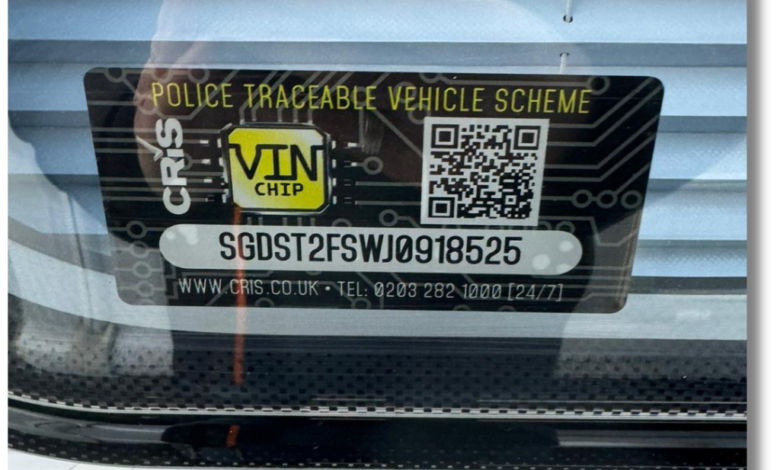
A cris caravan check is one of the most important steps for anyone planning to buy a used caravan in the UK. It helps buyers verify key details about ownership, finance status, and theft records before committing to a purchase. Without a proper cris caravan check, buyers risk losing money on unsafe or illegally sold caravans that may come with hidden legal problems.

In today’s second-hand caravan market, a cris caravan check has become essential for safe buying decisions. Many sellers may not fully disclose a caravan’s past, which makes verification even more important. This guide explains how the process works, why it matters, and how it can protect your investment when purchasing a used caravan.
What is CRiS Caravan Check
A cris caravan check is a UK-based verification system managed through the Central Registration & Identification Scheme. It records detailed information about touring caravans, including their identity, ownership, and security status. This system allows buyers to confirm whether a caravan is legally safe to purchase before finalising any deal.
When you perform a cris caravan check, the system uses the caravan’s unique identification number to access official records. This helps ensure the caravan has not been stolen, cloned, or sold with outstanding finance. A cris caravan check gives buyers confidence by confirming that the caravan matches its registered identity.
Why CRiS Checks Are Important
A cris caravan check plays a vital role in protecting buyers from fraud and financial loss. Without verification, you may unknowingly purchase a stolen or financed caravan, which can later be reclaimed by authorities or lenders. This makes the cris caravan check an essential safeguard in the buying process.
Another reason a cris caravan check is important is that it confirms the legitimacy of the seller. Many private listings appear trustworthy, but only a proper check can verify true ownership. By using a cris caravan check, buyers reduce risk and gain peace of mind when investing in a second-hand caravan.
What Information Does CRiS Caravan Check Reveal
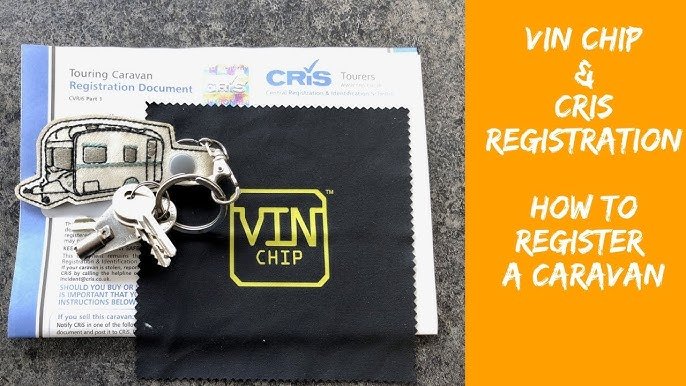
A cris caravan check provides detailed insights into the caravan’s background. It can confirm whether the caravan has been reported stolen, written off, or involved in any financial agreements. This information is crucial for avoiding expensive mistakes when purchasing a used caravan.
In addition, a cris caravan check reveals registered keeper details and identity verification data. It ensures that the caravan’s physical identity matches official records. This helps protect buyers from cloned caravans or fraudulent listings that may look legitimate at first glance.
How to Perform a CRiS Caravan Check
To complete a cris caravan check, you will need the caravan’s VIN or CRiS number, which is usually found on the chassis plate or in official documents. This information is then used to access the caravan’s history and verify its legal status.
Once the details are submitted, the cris caravan check generates a report outlining ownership, theft records, and finance status. The process is quick and straightforward, giving buyers essential information before finalising a purchase decision. A cris caravan check is a simple step that can prevent serious financial risks.
Free CRiS Caravan Check
Many buyers search for a free cris caravan check, hoping to avoid paying for a full report. While some basic information may be available without cost, a complete and reliable check usually requires payment. Free versions often lack detailed legal protection and should only be used for initial screening.
A cris caravan check free option may include asking the seller for paperwork or verifying basic VIN details. However, these methods do not guarantee full accuracy. For complete peace of mind, a paid cris caravan check remains the most reliable choice when purchasing a used caravan.
Cost of CRiS Caravan Check
The cost of a cris caravan check is relatively low compared to the financial risk of buying a problematic caravan. It typically provides a full report covering ownership history, theft records, and outstanding finance checks. This small investment can save buyers from major losses.
Many buyers consider a cris caravan check to be essential rather than optional. The cost is minimal when compared to the value of a caravan, making it a smart decision for anyone serious about safe purchasing. Investing in a cris caravan check ensures better financial protection.
Importance of Caravan VIN Number
The VIN number is a key element in any cris caravan check. It is a unique identifier assigned to each caravan, allowing authorities and databases to track its full history. Without this number, accurate verification is not possible.
During a cris caravan check, the VIN is matched against official records to confirm identity and ownership. Buyers should always ensure the VIN on the caravan matches the paperwork provided. Any mismatch could indicate potential fraud or tampering.
Red Flags to Watch When Buying a Used Caravan
A cris caravan check can help identify several warning signs before purchase. These include missing paperwork, mismatched details, or sellers who refuse to provide full information. Such issues often indicate deeper problems with the caravan’s history.
Another major red flag is unusually low pricing compared to market value. A cris caravan check can reveal whether a seemingly good deal hides financial or legal complications. Buyers should always investigate further when something appears suspicious.
CRiS Caravan Check vs Other Checks
A cris caravan check is specifically designed for caravans, making it more accurate than general vehicle history checks. It focuses on ownership, theft records, and caravan-specific identification details that other systems may not fully cover.
While other checks can provide additional information, a cris caravan check remains the most reliable method for verifying caravan legitimacy in the UK. It is widely recognised as the standard safety check for used caravan buyers.
CRiS Caravan Check Phone Number and Support
If you encounter issues or need clarification, the cris caravan check support team can provide assistance. Many buyers contact support to understand report results or resolve registration queries before completing a purchase.
Having the caravan’s VIN and registration details ready ensures quicker support. A cris caravan check helpline can be especially useful when making urgent buying decisions or dealing with unclear verification results.
Conclusion
A cris caravan check is an essential step for anyone buying a used caravan in the UK. It helps confirm ownership, detect fraud, and ensure the caravan is legally safe to purchase. Without it, buyers face unnecessary risks that can lead to financial loss.
By completing a cris caravan check, you gain confidence and peace of mind before making a purchase. It is a small but powerful tool that protects your investment and ensures a safe buying experience every time.