Choosing the right roofing material is one of the most important decisions a homeowner can make. A roof not only protects your property from the elements but also contributes to the appearance, value, and energy efficiency of your home. When comparing a tile vs slate roof, many homeowners find themselves weighing factors such as cost, durability, maintenance, and visual appeal before making a final choice.


In the UK, both tile and slate roofing are popular options due to their ability to withstand changing weather conditions. However, each material offers unique advantages and drawbacks. This guide explores the key differences between a tile vs slate roof, helping you understand which roofing solution is better suited to your property, budget, and long-term expectations.
What Is a Tile Roof?
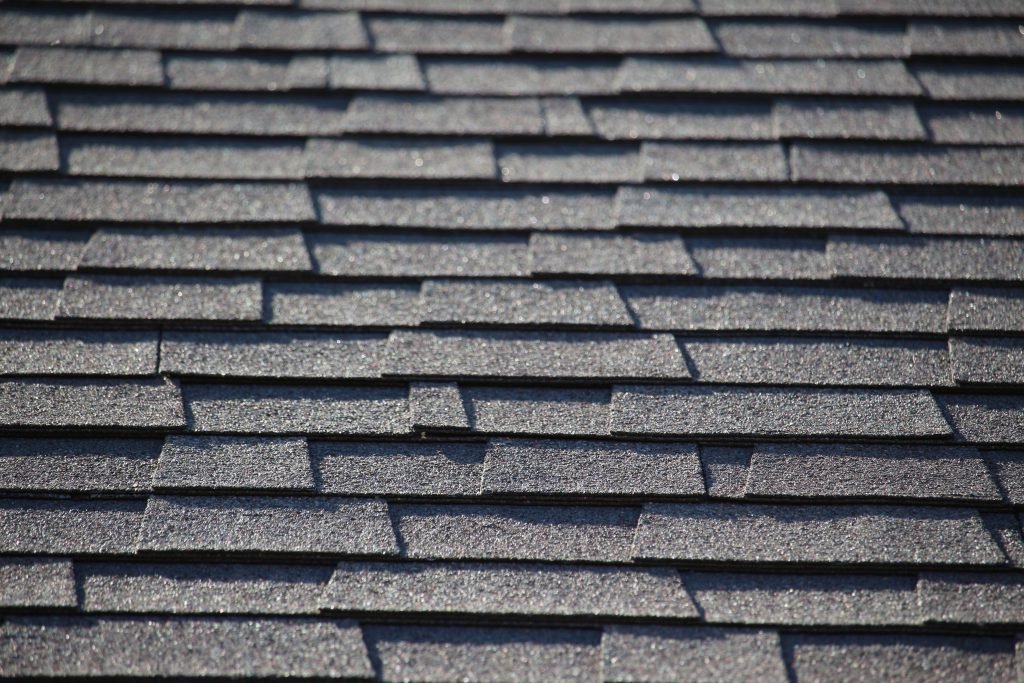
A tile roof is made from individual roofing tiles that are commonly manufactured from clay or concrete. These tiles are designed to overlap and create a weather-resistant barrier that protects the home from rain, wind, and temperature fluctuations. Tile roofing has been used across Britain for centuries and remains one of the most widely chosen roofing systems today.
One of the biggest advantages of tile roofing is its versatility. Homeowners can choose from a wide range of colours, finishes, and styles to complement both traditional and modern properties. Tile roofs are generally more affordable than slate and can provide decades of reliable performance when installed and maintained correctly.
What Is a Slate Roof?
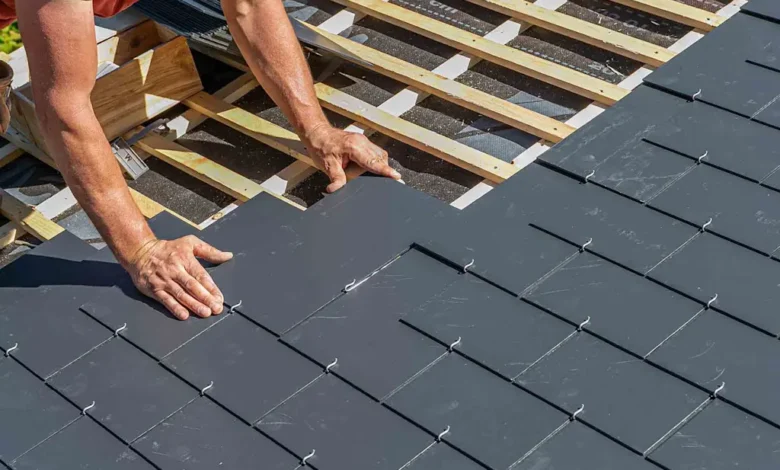
Slate roofing is crafted from natural stone that has been quarried and shaped into thin roofing slates. Known for its elegant appearance and exceptional longevity, slate has long been associated with premium homes, heritage buildings, and period properties throughout the UK. Its natural texture and rich character create a timeless aesthetic that many homeowners find appealing.
A slate roof is often considered a long-term investment because of its remarkable durability. Unlike many manufactured roofing materials, natural slate can last for generations when properly installed. This makes it an attractive option for homeowners who prioritise longevity and wish to avoid frequent roof replacements in the future.
Tile vs Slate Roof: Key Differences
When comparing a tile vs slate roof, the most obvious difference is the material itself. Slate is a natural stone product, while tiles are manufactured using clay or concrete. This distinction influences everything from appearance and weight to installation requirements and overall lifespan.
Another significant difference is cost. Slate generally requires a larger initial investment due to the price of the material and the specialist skills needed for installation. Tiles, on the other hand, tend to be more budget-friendly while still offering impressive durability and weather protection. For many homeowners, balancing performance and affordability is the key factor in making a decision.
Tile vs Slate Roof UK: Weather Performance
The British climate is known for heavy rainfall, strong winds, and fluctuating temperatures throughout the year. Any roofing material chosen for a UK property must be capable of withstanding these conditions while maintaining its structural integrity. Fortunately, both slate and tile roofs perform exceptionally well in challenging weather environments.
A tile vs slate roof UK comparison often shows that slate has a slight advantage when it comes to long-term resistance against weathering. However, modern roof tiles have evolved significantly and now offer excellent protection against frost, rain, and wind. For most homeowners, either option can provide reliable performance when installed by experienced roofing professionals.
Tile vs Slate Roof Cost Comparison
Cost is often one of the first considerations when choosing a new roof. Tile roofs are generally more affordable because the materials are easier to manufacture and install. This lower upfront investment makes tile roofing an appealing option for homeowners working within a specific budget.
Slate roofing usually comes with higher material and labour costs. The natural stone itself is more expensive, and installation requires specialist expertise to ensure the roof performs correctly. Although the initial expense is greater, many property owners believe the exceptional lifespan of slate justifies the additional cost over time.
Lifespan and Long-Term Value
One of the strongest selling points of slate roofing is its incredible lifespan. A well-maintained slate roof can often last more than one hundred years, making it one of the longest-lasting roofing materials available. This durability can provide peace of mind and reduce the likelihood of major roofing expenses in the future.
Tile roofs also offer impressive longevity, with many lasting between fifty and seventy years. While they may not match the lifespan of natural slate, they still represent excellent value for money. Homeowners who want a durable roofing solution without the premium price tag often find tile roofing to be a practical compromise.
Clay Tile vs Slate Roof
The debate surrounding a clay tile vs slate roof is particularly common among homeowners seeking a traditional appearance. Clay tiles have a distinctive character that suits many British homes and are available in various colours and profiles. They are also generally less expensive than natural slate, making them a popular choice for renovation projects.
When comparing a clay tile vs slate roof, slate often wins in terms of longevity and prestige. Its natural beauty and long lifespan make it highly desirable for premium properties. However, clay tiles provide excellent durability and aesthetic appeal while offering a more accessible price point for many households.
Maintenance and Repair Requirements
Every roofing system requires some level of maintenance to remain in good condition. Tile roofs can occasionally suffer from cracked or displaced tiles due to severe weather or accidental impact. Fortunately, individual tiles are relatively easy to replace, making repairs straightforward and cost-effective.
Slate roofs generally require less frequent maintenance, but repairs can be more specialised when they are needed. Because slate is a natural stone product, matching replacement slates and ensuring proper installation often requires the expertise of a skilled roofing contractor. Regular inspections can help identify issues before they become costly problems.
Property Value and Kerb Appeal
A roof has a major influence on the overall appearance of a property. Slate roofs are often viewed as a premium feature that adds character, elegance, and a sense of quality to a home. Their association with heritage and luxury properties can enhance buyer perception and potentially increase property value.
Tile roofs also contribute significantly to kerb appeal. With numerous design options available, homeowners can select styles that complement their property’s architecture. Whether you choose slate or tile, a well-maintained roof can improve the attractiveness of your home and leave a positive impression on prospective buyers.
Conclusion
The decision between a tile vs slate roof ultimately depends on your priorities, budget, and long-term goals. Tile roofing offers affordability, versatility, and dependable performance, making it an excellent choice for a wide variety of homes across the UK. It delivers strong value while requiring a lower initial investment than slate.
Slate roofing, meanwhile, provides unmatched longevity, timeless beauty, and premium appeal. Although it comes with higher upfront costs, its exceptional lifespan can make it a worthwhile investment for homeowners seeking a roof that may last for generations. By carefully evaluating your property’s needs and financial considerations, you can confidently choose the roofing material that best suits your home.