Kia Parts Near Me: Complete Guide to Finding Genuine, Affordable, and Reliable Kia Auto Parts

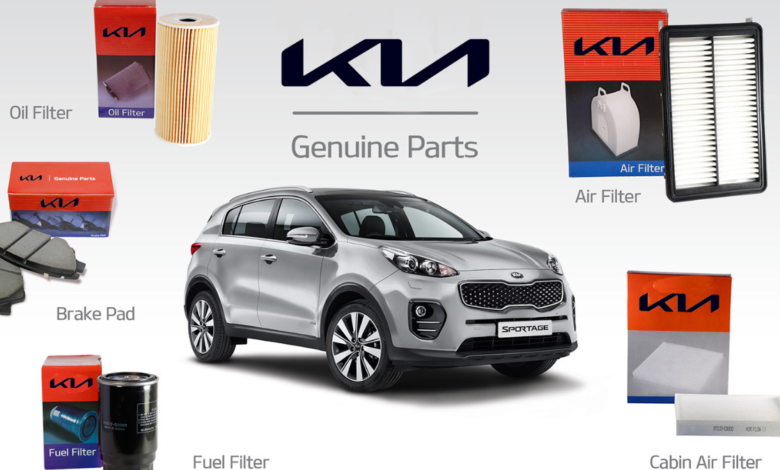
kia parts near me When a Kia vehicle requires maintenance, repairs, or replacement components, finding the right parts quickly becomes an important priority. Many vehicle owners search for Kia parts near me because local availability can save time, reduce repair delays, and provide easier access to expert assistance. Whether you own a Kia Sportage, Kia Sorento, Kia Forte, Kia Optima, Kia Telluride, or another Kia model, having access to reliable parts helps maintain your vehicle’s performance, safety, and overall driving experience kia parts near me.


kia parts near me Choosing the correct Kia parts is not only about replacing damaged components; it is also about protecting the long-term value of your vehicle. High-quality parts ensure that your Kia continues operating efficiently while reducing the risk of repeated repairs. Genuine Kia parts are designed specifically for Kia vehicles, meaning they are manufactured according to the brand’s engineering standards. This makes them a popular choice among drivers who want reliability and confidence in every replacement kia parts near me.
The growing demand for Kia parts near me has also made it easier for customers to find different purchasing options. Drivers can now choose from authorised dealerships, independent auto parts stores, online marketplaces, and certified used parts suppliers. Each option has different advantages depending on budget, urgency, and the type of component required. Understanding these choices allows Kia owners to make smarter decisions when maintaining their vehicles.
What Types of Kia Parts Can You Find Near Me?
When searching for Kia parts near me, customers can find a wide range of components designed for different repair and maintenance needs. Engine-related parts are among the most commonly purchased items because they directly affect vehicle performance and reliability. These include air filters, oil filters, spark plugs, timing components, belts, hoses, and other essential engine accessories. Regular replacement of these parts helps improve fuel efficiency, engine performance, and overall vehicle health.
Brake and suspension components are also frequently needed by Kia owners. Brake pads, rotors, calipers, shock absorbers, and suspension parts play a major role in maintaining driving safety and comfort. Finding these parts locally allows drivers to complete important repairs faster instead of waiting several days for delivery. Local suppliers often have experienced staff who can help identify the correct components based on the Kia model and manufacturing year.
Exterior and interior Kia parts are also widely available through different suppliers. Exterior replacement parts may include headlights, mirrors, bumpers, grilles, door handles, and body panels. These parts are often needed after accidents or regular wear and tear. Interior accessories such as floor mats, seat covers, dashboard components, and entertainment upgrades allow owners to personalise and maintain the appearance of their vehicles.
Many Kia parts suppliers also offer maintenance products such as batteries, tyres, filters, and fluids. Having access to a complete range of parts makes it easier for Kia owners to handle both minor repairs and major maintenance tasks from one trusted source.
Where to Buy Kia Parts Near Me
Finding the right place to purchase Kia parts depends on factors such as budget, availability, and the importance of using original components. Authorised Kia dealerships are one of the most reliable options because they provide manufacturer-approved parts specifically designed for Kia vehicles. These dealerships usually have trained professionals who can help customers identify the correct part and provide installation recommendations.
Independent auto parts stores are another popular option for drivers looking for Kia parts near me. These businesses often provide competitive pricing and a wider selection of replacement options. Many local stores carry both OEM and aftermarket parts, giving customers flexibility when choosing according to their budget. Experienced parts specialists can also offer useful advice about compatibility and installation.
Online suppliers have changed the way people purchase Kia components. Many websites allow customers to search for parts by entering their Kia model, year, or vehicle identification number. Online shopping provides convenience because drivers can compare prices, read customer reviews, and order parts from home. However, buyers should always verify seller credibility and return policies before making a purchase.
Used Kia parts suppliers and salvage yards can also be helpful for customers who want affordable solutions. Certified used parts can provide significant savings, especially for older Kia models where brand-new components may be expensive. However, it is important to check the condition, warranty, and compatibility of used parts before purchasing.
Genuine Kia Parts vs Aftermarket Kia Parts: Which Option Is Better?
One of the biggest decisions Kia owners face is choosing between genuine Kia parts and aftermarket alternatives. Genuine Kia parts are produced or approved by Kia and are specifically designed to match the original specifications of each vehicle. These parts usually provide excellent compatibility, durability, and performance because they are built with the vehicle’s original engineering standards in mind.
The main advantage of genuine components is reliability. When drivers choose original Kia parts, they can feel more confident that the replacement will fit correctly and work efficiently with existing vehicle systems. Genuine parts may also come with manufacturer warranties, providing additional protection and peace of mind.
Aftermarket Kia parts are produced by third-party manufacturers and are often available at lower prices. For many drivers, these parts offer a cost-effective solution for repairs and maintenance. High-quality aftermarket brands can provide excellent performance and may be suitable for many replacement needs. However, quality can vary significantly between manufacturers, so buyers should research brands carefully.
Choosing between genuine and aftermarket parts depends on several factors, including vehicle age, repair requirements, budget, and personal preferences. For important systems such as brakes, engine components, and safety-related parts, many drivers prefer trusted original or premium-quality alternatives. For cosmetic upgrades or less critical components, aftermarket options may provide better affordability.
How to Choose the Right Kia Parts for Your Vehicle
Selecting the correct Kia component requires careful attention to vehicle details. Before purchasing any part, owners should confirm their Kia model, production year, engine type, and trim level. Even similar Kia models may use different components depending on manufacturing specifications. Buying the wrong part can lead to installation problems, additional expenses, and unnecessary delays.
One of the most effective ways to find accurate parts is by using the vehicle identification number (VIN). The VIN provides detailed information about the vehicle and helps suppliers identify compatible components. Many professional Kia parts sellers use VIN-based searches to ensure customers receive the correct product.
Price comparison is another important step when buying Kia parts. While finding affordable options is beneficial, choosing the cheapest available product may not always be the best decision. Extremely low-priced parts may have lower quality standards and could require replacement sooner. Customers should consider durability, warranty coverage, supplier reputation, and customer feedback before making a final choice.
A reliable supplier should provide clear product information, return options, and customer support. Reading reviews and checking ratings can help buyers avoid unreliable sellers. Taking time to research before purchasing ensures that Kia owners receive quality parts that support vehicle performance and safety.
Benefits of Buying Kia Parts From a Local Supplier
Searching for Kia parts near me offers several advantages, especially when a vehicle requires urgent repairs. Local suppliers often provide faster access compared with distant sellers. Instead of waiting for long delivery times, customers can visit a nearby store, check available inventory, and purchase the required component immediately.
Local suppliers also provide valuable personal assistance. Experienced staff can help customers identify suitable parts, explain differences between products, and recommend solutions based on vehicle requirements. This level of support can be especially useful for drivers who are unfamiliar with automotive components.
Buying locally can also simplify returns or exchanges. If a purchased part does not fit correctly, customers can often communicate directly with the supplier rather than dealing with complicated online return procedures. Building relationships with trusted local parts stores can make future maintenance easier and more convenient.
Tips for Saving Money When Buying Kia Parts Near Me
Maintaining a Kia does not always require spending a large amount of money. Customers can save money by comparing prices from different suppliers, looking for discounts, and purchasing parts from trusted sellers. Planning maintenance in advance can also prevent expensive emergency purchases.
Another money-saving strategy is considering certified used parts for suitable repairs. Used components from reliable suppliers can provide good value while reducing costs. However, customers should always confirm part quality and compatibility before purchasing.
Common Mistakes to Avoid When Buying Kia Parts
Many customers make mistakes when purchasing replacement parts because they focus only on price. Buying incorrect components, ignoring quality standards, or choosing unreliable suppliers can create additional repair problems. Always checking vehicle information and supplier credibility helps prevent these issues.
Another common mistake is failing to consider warranties and return policies. A trustworthy supplier should provide clear protection for customers. Understanding these details before purchasing can save money and reduce stress in the future.
Conclusion: Finding the Best Kia Parts Near Me for Quality and Value
Finding reliable Kia parts near me is essential for maintaining vehicle performance, safety, and long-term reliability. Whether choosing genuine Kia components, high-quality aftermarket options, or certified used parts, customers should focus on compatibility, supplier reputation, and overall value.
By researching available options, comparing prices, and selecting trusted suppliers, Kia owners can keep their vehicles running smoothly while avoiding unnecessary repair costs. The right parts combined with proper maintenance can help ensure a safer and more enjoyable driving experience.
FAQs About Kia Parts Near Me
What does Kia parts near me mean?
Kia parts near me refers to finding nearby stores, dealerships, or suppliers that provide Kia replacement parts and accessories.
Where can I buy genuine Kia parts near me?
You can purchase genuine Kia parts from authorised dealerships, trusted auto parts stores, and verified online suppliers.
Are aftermarket Kia parts reliable?
High-quality aftermarket parts can be reliable, but customers should research brands and choose reputable manufacturers.
How do I know which Kia part fits my vehicle?
Check your Kia model, year, engine details, and VIN number to ensure correct compatibility.
Are genuine Kia parts worth the extra cost?
Genuine Kia parts often provide better compatibility, durability, and warranty support, making them valuable for many repairs.
Can I find used Kia parts near me?
Yes, used Kia parts are available through certified salvage yards and used parts suppliers.
How can I find a trusted Kia parts supplier?
Look for suppliers with positive reviews, clear warranties, competitive pricing, and strong customer service.
You May Also Read: used toyota for sale
