Wheel of Liverpool Tickets: Official Prices, Opening Times & Complete Visitor Guide

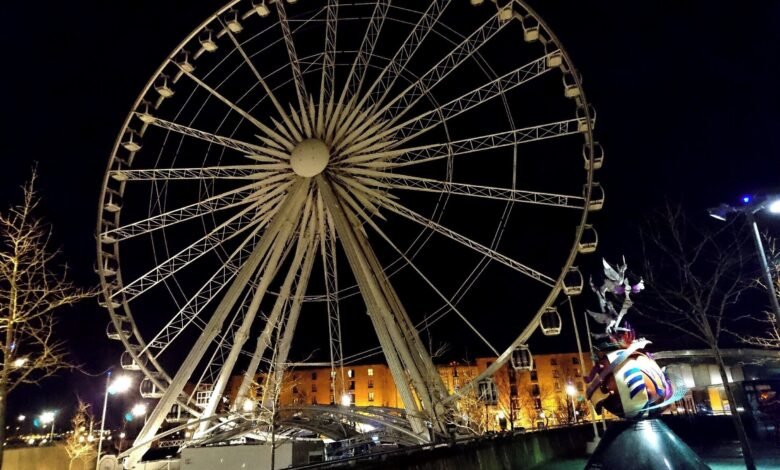
Liverpool is a city renowned for its rich maritime heritage, world-famous music scene, and stunning waterfront attractions. Among its most popular landmarks is the Wheel of Liverpool, a giant observation wheel that offers breathtaking views across the city skyline and the River Mersey. For visitors planning a memorable day out, securing wheel of liverpool tickets is often at the top of the itinerary. The attraction provides a unique perspective of Liverpool, allowing guests to admire iconic landmarks from high above the bustling waterfront.


Whether you are travelling with family, friends, or as a couple, the experience delivers a combination of relaxation and sightseeing. Modern enclosed capsules ensure comfort throughout the journey, regardless of the weather. As more visitors seek unforgettable experiences in the city, wheel of liverpool tickets continue to attract attention from tourists looking to discover Liverpool from a completely different angle.
What Makes the Wheel of Liverpool Special?
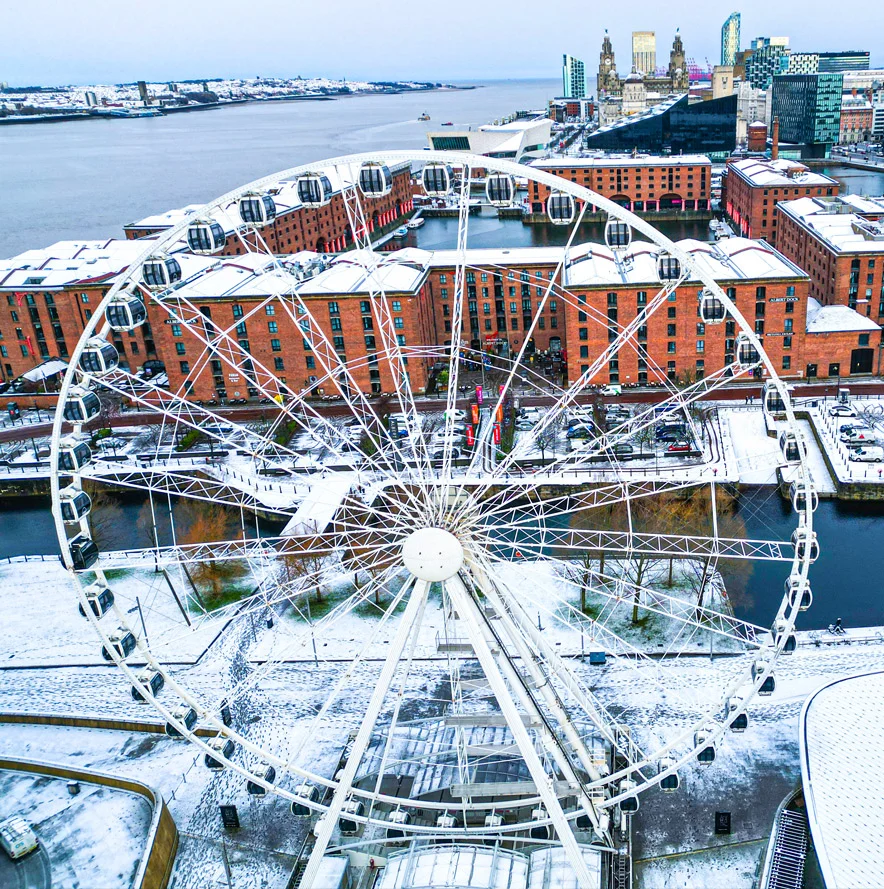
The Wheel of Liverpool stands proudly on the waterfront and has become one of the city’s most photographed attractions. Rising high above the surrounding area, it offers uninterrupted panoramic views stretching across the historic docks, the River Mersey, and the impressive city centre skyline. Visitors can enjoy a peaceful ride while taking in some of Liverpool’s most famous landmarks from a remarkable vantage point.
Unlike many traditional attractions, the Wheel of Liverpool combines entertainment with sightseeing. The slow and gentle rotation allows passengers to fully appreciate the scenery without feeling rushed. During clear weather, visitors can see for miles, making the attraction particularly popular among photographers, tourists, and anyone wanting to experience Liverpool from a fresh perspective.
The Wheel of Liverpool Tickets and Admission Options
When researching the wheel of liverpool tickets, visitors will find a variety of admission options designed to suit different budgets and travel needs. Standard tickets are typically available for adults, children, students, and senior visitors. Family packages often provide excellent value, making the attraction a cost-effective choice for those travelling with children.
Booking tickets in advance can offer several advantages. Not only does it help visitors secure their preferred time slot, but it may also provide access to promotional discounts. The wheel of liverpool tickets are available through various booking channels, giving travellers flexibility when planning their visit. Advance reservations are particularly recommended during school holidays, weekends, and major events in the city.
Wheel of Liverpool Tickets 2 for 1 Deals
Many travellers actively search for wheel of liverpool tickets 2 for 1 offers before their visit. These promotions can provide excellent savings and make the attraction even more appealing for couples, families, and groups. Throughout the year, various travel campaigns, tourism initiatives, and promotional partnerships may offer discounted admission opportunities.
While wheel of liverpool tickets 2 for 1 deals are not always available, visitors should keep an eye on seasonal promotions and special offers. Sometimes discounts are offered during quieter periods to encourage tourism. Even if a specific two-for-one deal is unavailable, family packages and online booking promotions can still help reduce overall costs while providing excellent value for money.
Echo Wheel of Liverpool Tickets Explained
Many people continue to search online for echo wheel of liverpool tickets, particularly those familiar with the attraction’s earlier branding. The term “Echo Wheel” originated from a sponsorship arrangement that became closely associated with the landmark. Although the attraction is now commonly known simply as the Wheel of Liverpool, the older name remains popular among some visitors.
Understanding this historical connection can help visitors avoid confusion when searching for admission information. In reality, echo wheel of liverpool tickets refer to the same attraction that continues to operate on Liverpool’s waterfront today. Regardless of which name is used, visitors can expect the same stunning views, comfortable cabins, and memorable sightseeing experience.
Opening Times and the Best Time to Visit
Planning the timing of your visit can significantly enhance the overall experience. Opening hours may vary throughout the year depending on seasonal demand, weather conditions, and local events. Checking the latest schedule before travelling ensures that visitors can make the most of their day without encountering unexpected closures or delays.
Many guests consider sunset to be the ideal time to ride the wheel. During this period, the city is bathed in warm golden light, creating exceptional photography opportunities. Evening visits also provide a magical atmosphere as Liverpool’s buildings and waterfront become illuminated, transforming the skyline into a spectacular display of lights and reflections.
What to Expect During Your Ride
A ride on the Wheel of Liverpool offers much more than simply reaching a great height. Each enclosed capsule provides a comfortable and secure environment, allowing passengers to relax while enjoying uninterrupted views. The gradual movement of the wheel creates a calm and enjoyable experience suitable for visitors of all ages.
As the wheel rises above the waterfront, guests are treated to remarkable views of Liverpool’s famous landmarks. The River Mersey, historic docks, and modern city developments combine to create an impressive visual experience. Many visitors find themselves taking dozens of photographs as the changing perspectives reveal new details throughout the journey.
VIP Experiences and Premium Packages
For visitors looking for something extra special, premium experiences are available through exclusive VIP packages. These private capsules provide a more luxurious environment, often making them a popular choice for birthdays, anniversaries, proposals, and corporate events. The added privacy allows guests to enjoy the scenery without sharing the space with other passengers.
Many travellers choose VIP options because they transform an already enjoyable attraction into a truly memorable occasion. While standard wheel of liverpool tickets offer excellent value and stunning views, premium packages provide a unique level of comfort and exclusivity. For special celebrations, the enhanced experience can be well worth considering.
Attractions Near the Wheel of Liverpool
One of the greatest advantages of visiting the Wheel of Liverpool is its location within the city’s vibrant waterfront district. After enjoying the ride, visitors can continue exploring a wide range of nearby attractions, museums, galleries, restaurants, and entertainment venues. This makes the area ideal for a full day of sightseeing and leisure activities.
The surrounding waterfront combines Liverpool’s rich history with modern attractions and cultural landmarks. Visitors can enjoy scenic walks along the docks, discover fascinating exhibitions, or simply relax while taking in views of the River Mersey. The convenient location makes the Wheel of Liverpool a perfect starting point for exploring the city.
Conclusion
The Wheel of Liverpool remains one of the city’s most iconic visitor attractions, offering unforgettable views and a relaxing sightseeing experience for guests of all ages. Whether you are purchasing wheel of liverpool tickets for a family outing, searching for the wheel of liverpool tickets online, or looking for wheel of liverpool tickets 2 for 1 promotions, there are options available to suit a wide range of budgets and preferences.
From daytime adventures to stunning sunset rides, the attraction continues to deliver memorable experiences for tourists and local visitors alike. Those searching for echo wheel of liverpool tickets will discover the same beloved landmark that has become a symbol of Liverpool’s waterfront. With excellent views, flexible ticket options, and a prime location, the Wheel of Liverpool deserves a place on every visitor’s itinerary.