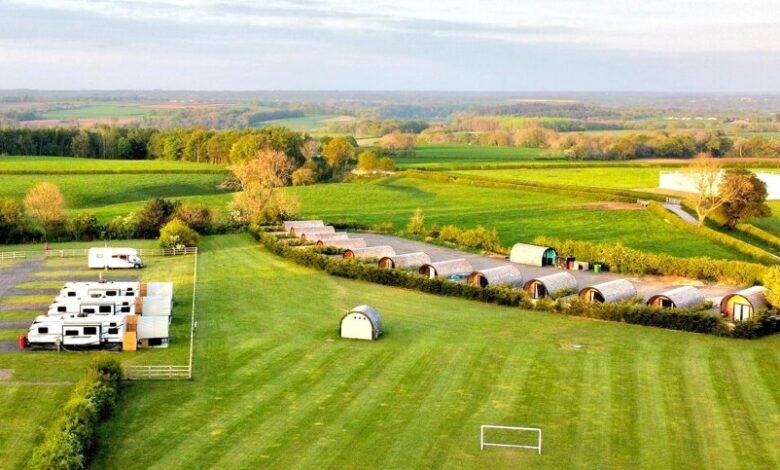
For travellers seeking a peaceful escape surrounded by natural beauty, Lady Willington Camping and Caravan Park offers an ideal destination. Nestled in the picturesque countryside near the Welsh border, this charming campsite provides a welcoming environment for campers, caravan owners, and motorhome enthusiasts alike. The combination of scenic landscapes, fresh air, and a tranquil atmosphere makes it an attractive choice for holidaymakers looking to unwind away from busy urban life.


What sets Lady Willington Camping and Caravan Park apart is its balance between traditional camping experiences and modern convenience. Visitors can enjoy the beauty of nature without sacrificing essential comforts. Whether you are planning a short weekend break or an extended holiday, the campsite provides a relaxing base from which to explore the surrounding countryside and nearby attractions.
Lady Willington Camping and Caravan Park Location and Surroundings
One of the major advantages of Lady Willington Camping and Caravan Park is its excellent location. Situated close to both North Wales and the English border, the site offers easy access to a variety of attractions, charming villages, and beautiful rural landscapes. Guests can enjoy peaceful surroundings while remaining within reach of shops, restaurants, and local services.
The countryside surrounding the campsite is rich with scenic walking routes, cycling opportunities, and wildlife. Rolling fields, quiet country lanes, and open green spaces create the perfect backdrop for outdoor adventures. Many visitors appreciate the opportunity to disconnect from daily pressures and reconnect with nature in such a tranquil setting.
Lady Willington Camping and Caravan Park Accommodation Options
Lady Willington Camping and Caravan Park caters to a wide range of visitors by offering flexible accommodation options. Whether arriving with a touring caravan, motorhome, campervan, or tent, guests can find suitable pitches designed to meet their needs. Spacious layouts allow visitors to enjoy privacy while maintaining the friendly atmosphere that camping enthusiasts value.
The campsite has become popular among both experienced campers and first-time visitors due to its well-organised facilities and welcoming environment. Large pitches provide plenty of space to relax, while the natural surroundings contribute to a comfortable and enjoyable outdoor experience. This flexibility makes the site suitable for families, couples, and solo travellers alike.
Lady Willington Camping and Caravan
Park Facilities and Amenities

Clean and well-maintained facilities play an important role in creating a positive camping experience, and Lady Willington Camping and Caravan Park delivers in this area. Modern toilet blocks and shower facilities are designed to provide comfort and convenience throughout your stay. Regular maintenance helps ensure that guests can enjoy a pleasant and hygienic environment.
In addition to essential amenities, visitors can benefit from electrical hook-ups, fresh water points, and waste disposal facilities. These practical features make camping easier and more comfortable, particularly for those staying for longer periods. The combination of quality facilities and beautiful surroundings contributes significantly to the site’s popularity.
Lady Willington Camping and Caravan Park Prices and Value for Money
Affordability is often an important consideration when planning a camping holiday, and Lady Willington Camping and Caravan Park offers excellent value for money. Compared with many campsites across the region, the site provides competitive pricing while maintaining a high standard of facilities and services. This balance between quality and affordability appeals to a wide range of travellers.
Visitors frequently comment on the value they receive during their stay. Access to clean amenities, spacious pitches, and peaceful surroundings enhances the overall experience without requiring excessive spending. For families and couples seeking a cost-effective countryside getaway, the campsite remains an attractive option throughout the year.
Reviews and Visitor Experiences
Guest feedback highlights many of the strengths associated with Lady Willington Camping and Caravan Park. Reviews often praise the cleanliness of the facilities, the peaceful atmosphere, and the welcoming attitude of the site operators. These positive experiences contribute to the strong reputation the campsite has developed among returning visitors.
Many guests appreciate the opportunity to enjoy a quiet and relaxing environment away from crowded tourist destinations. Families often mention the safe surroundings, while couples enjoy the romantic countryside setting. The consistently favourable reviews demonstrate why the campsite continues to attract visitors from across the United Kingdom.
Activities and Attractions Near Lady Willington Camping and Caravan Park
The area surrounding Lady Willington Camping and Caravan Park offers a variety of activities suitable for different interests and age groups. Outdoor enthusiasts can explore scenic walking trails, cycling routes, and nature reserves. The beautiful countryside provides endless opportunities for photography, wildlife spotting, and peaceful exploration.
Visitors can also discover nearby market towns, historic attractions, and local landmarks. Traditional pubs, independent shops, and cultural sites help create a memorable holiday experience. The campsite’s location makes it easy to enjoy both outdoor adventures and relaxing day trips throughout the region.
Why Families and Couples Choose Lady Willington Camping and Caravan Park
Families are drawn to Lady Willington Camping and Caravan Park because of its welcoming atmosphere and safe environment. Children have the opportunity to experience nature, enjoy outdoor activities, and spend quality time with family members. The spacious setting allows younger visitors to explore while parents relax and appreciate the peaceful surroundings.
Couples often choose the campsite for romantic breaks and quiet escapes. The beautiful countryside setting creates an ideal environment for long walks, relaxing evenings, and memorable moments together. The combination of comfort, privacy, and natural beauty makes the site appealing to visitors of all ages.
Tips for Planning Your Visit
Planning ahead can help visitors make the most of their stay at Lady Willington Camping and Caravan Park. Checking weather forecasts, packing appropriate clothing, and booking early during peak seasons can contribute to a smoother and more enjoyable holiday experience. Preparation allows guests to fully appreciate everything the campsite has to offer.
It is also worth researching local attractions before arrival. Creating a simple itinerary can help maximise your time in the area while ensuring you do not miss any notable destinations. Whether your interests include hiking, sightseeing, or simply relaxing, advance planning can enhance your overall experience.
Conclusion
Lady Willington Camping and Caravan Park continues to attract visitors thanks to its combination of beautiful surroundings, quality facilities, and welcoming atmosphere. The campsite offers an excellent opportunity to experience the countryside while enjoying the comforts that modern travellers expect. Its convenient location and strong reputation make it a popular choice among camping enthusiasts.
Whether you are travelling with family, friends, or as a couple, Lady Willington Camping and Caravan Park provides an enjoyable and memorable holiday experience. From spacious pitches and clean amenities to nearby attractions and peaceful scenery, the site delivers everything needed for a relaxing countryside getaway that visitors are likely to remember for years to come.