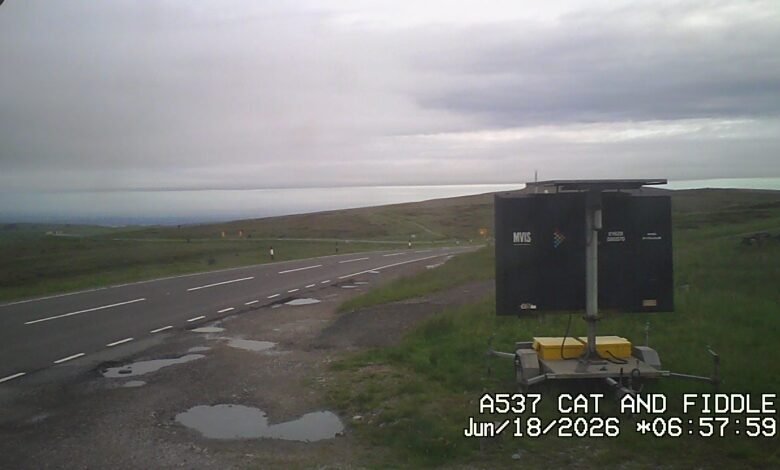
The Peak District webcam network has become an essential digital gateway for visitors who want to explore one of the UK’s most scenic national parks before travelling. With unpredictable weather patterns and rapidly changing visibility, the Peak District webcam helps travellers make informed decisions about hiking routes, photography opportunities, and sightseeing plans across hills, valleys, and reservoirs.


A Peak District webcam provides real-time visual access to landscapes that are otherwise difficult to assess remotely. From mist-covered moorlands to bright sunlit valleys, the Peak District webcam live feeds allow users to understand current conditions instantly. This has made it a trusted tool for both casual visitors and experienced hikers who rely on accurate environmental updates.
What is a Peak District Webcam and How It Works
A Peak District webcam is a strategically placed live camera that streams continuous or frequently updated images from key locations across the national park. These cameras are installed in high-altitude viewpoints, tourist attractions, and villages to provide an accurate visual representation of weather and scenery in real time.
The Peak District webcam live system works by transmitting images or video feeds through online platforms, allowing users to view conditions remotely. Many webcams refresh every few minutes, offering a reliable snapshot of changing environments. This makes the Peak District webcam especially valuable for planning outdoor activities safely and efficiently.
Peak District Webcam Live Weather Conditions and Seasonal Changes
The Peak District webcam live feeds are widely used for monitoring unpredictable weather conditions that are common in the region. Due to the park’s varied elevation, it is possible to experience sunshine, rain, and fog within a short distance. A Peak District webcam helps visitors prepare for these variations before starting their journey.
Seasonal changes are also clearly visible through a Peak District webcam, with winter snow covering high peaks, spring greenery spreading across valleys, and autumn colours transforming the landscape. This real-time visual insight helps travellers choose the best time for visits and ensures safer hiking conditions throughout the year.
Castleton Peak District Webcam and Iconic Landscape Views
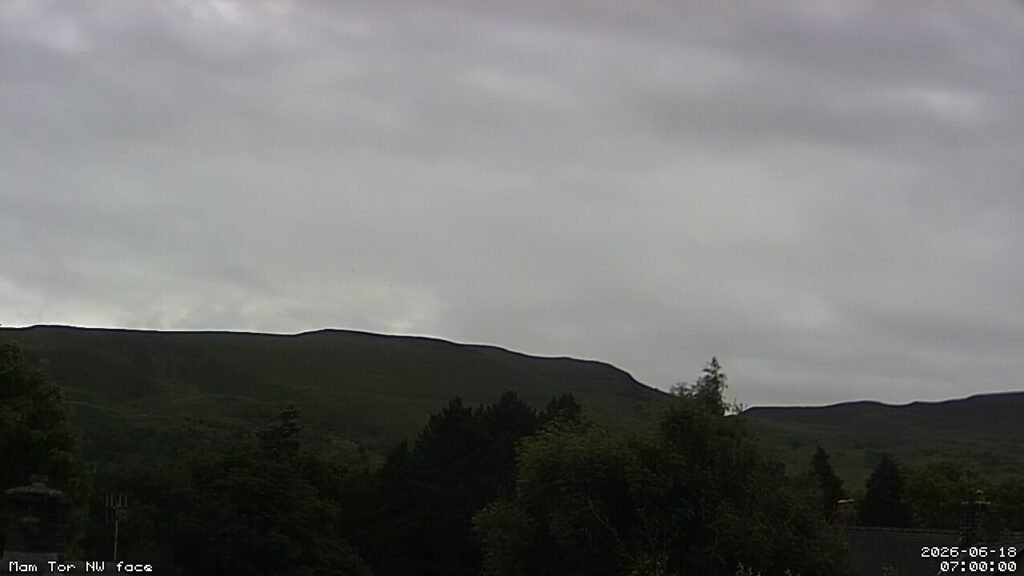
The Castleton Peak District webcam is one of the most popular viewing points due to its breathtaking scenery and historic surroundings. Castleton is known for its limestone valley, ancient caves, and stunning views of Mam Tor, making it a prime location for tourists and photographers.
A Castleton Peak District webcam allows users to observe live conditions across this dramatic landscape before visiting. Many travellers rely on the Peak District webcam in Castleton to check visibility, cloud cover, and lighting, ensuring they choose the best time for exploring nearby attractions and hiking trails.
Popular Locations Featured on Peak District Webcam Networks
There are many scenic locations featured across the Peak District webcam network, each offering a unique perspective of the national park. Popular viewpoints include Mam Tor, Edale Valley, Ladybower Reservoir, and the Roaches, all of which provide stunning live visuals of the surrounding terrain.
Using a Peak District webcam at multiple locations helps visitors compare weather conditions across different areas. This is particularly useful for planning hikes or photography trips, as conditions can vary significantly between valleys and high ridges within a short distance.
How Peak District Webcam Helps with Hiking and Outdoor Planning
A Peak District webcam is an essential tool for hikers who need to assess trail safety before setting out. By viewing live conditions, walkers can determine whether paths are clear, whether visibility is suitable, and whether weather conditions are safe for longer routes or challenging climbs.
Many outdoor enthusiasts rely on the Peak District webcam live system to adjust their plans in real time. Whether avoiding heavy fog or selecting the best sunny window for photography, the Peak District webcam ensures that visitors can enjoy the landscape while minimising risks associated with sudden weather changes.
Best Times to Use Peak District Webcam for Scenic Views
The Peak District webcam is especially useful during early mornings when mist settles across valleys and sunrises create dramatic lighting. These moments are often considered the most visually striking, making them ideal for photographers and nature lovers exploring the region virtually.
Seasonal highlights such as autumn foliage and winter snow also make the Peak District webcam an exciting tool for remote viewing. Many users check the Peak District webcam live feeds during these periods to capture the most beautiful and atmospheric conditions before planning an in-person visit.
Benefits of Using Peak District Webcam for Visitors
The Peak District webcam offers significant benefits for travellers, including improved safety, better trip planning, and enhanced travel experiences. By checking live conditions before departure, visitors can avoid poor weather and select more enjoyable hiking or sightseeing routes across the national park.
Another advantage of the Peak District webcam live system is its ability to inspire travel decisions. Many users explore different locations virtually before choosing where to go, making it a valuable planning resource for both first-time visitors and returning explorers who want to discover new areas.
Limitations of Peak District Webcam Coverage
Despite its usefulness, the Peak District webcam system does have limitations. Not every part of the national park is covered by live cameras, meaning some remote or hidden areas cannot be viewed in advance. This can make it difficult to assess conditions in less accessible regions.
Additionally, a Peak District webcam may be affected by weather conditions such as fog, heavy rain, or low light, which can reduce visibility. Some webcams also refresh at intervals rather than streaming continuously, meaning there may be slight delays between updates.
Future Developments in Peak District Webcam Technology
The future of Peak District webcam technology is expected to bring higher resolution streaming, expanded coverage, and improved integration with weather forecasting systems. These advancements will make it easier for users to get clearer and more detailed views of the national park in real time.
A Peak District webcam live system may also incorporate artificial intelligence to predict weather changes and provide enhanced travel insights. This would allow visitors to plan more accurately and experience the Peak District with greater confidence and convenience.
Conclusion
The Peak District webcam has transformed the way visitors explore and plan trips to one of the UK’s most beautiful national parks. By offering real-time insights into weather and scenery, it allows travellers to make safer and more informed decisions before setting out on their journey.
From Castleton Peak District webcam views to high mountain ridges and valleys, the Peak District webcam live network continues to provide valuable information for hikers, photographers, and tourists. It remains an essential digital tool for anyone wanting to experience the Peak District in the best possible conditions.