Neville Barnes forceps delivery is a widely recognised obstetric procedure used to assist vaginal birth when complications arise during labour. It is particularly valuable in the second stage of labour when maternal effort alone is insufficient or when there is a need for expedited delivery. This technique remains an essential part of obstetric practice in the UK, especially in consultant-led maternity units.


Neville Barnes forceps delivery continues to play an important role in clinical decision-making where safety and speed of delivery must be balanced. Although modern alternatives such as vacuum extraction are frequently used, forceps remain preferred in certain situations. The method allows controlled traction and careful guidance of the foetal head, ensuring a structured approach to assisted vaginal birth.
Design and Structure of Neville Barnes Forceps
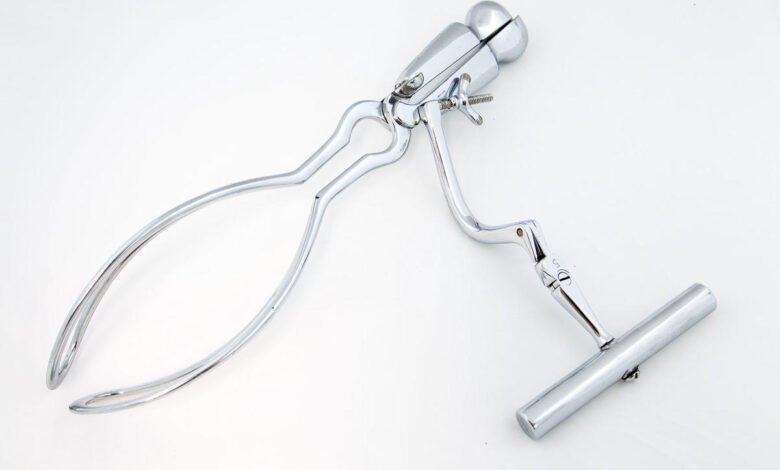
The design of Neville Barnes forceps delivery instruments is specifically engineered to accommodate the anatomical contours of the maternal pelvis and foetal head. The forceps include a pronounced pelvic curve and cephalic curve, which allow proper alignment during insertion and traction. This structural precision helps reduce trauma and improves delivery outcomes when used correctly by trained practitioners.
In Neville Barnes forceps delivery, the English lock mechanism provides stability and secure articulation between the blades. This ensures that the force applied is evenly distributed during traction. The long handles offer controlled grip, allowing the clinician to guide the foetal head through the birth canal safely. This design makes the instrument suitable for mid-cavity and low-cavity deliveries.
Indications for Neville Barnes Forceps Delivery
Neville Barnes forceps delivery is indicated in cases where there is prolonged second stage of labour, particularly when maternal exhaustion prevents effective pushing. It is also used when foetal distress is identified and rapid delivery is necessary to prevent adverse outcomes. These indications require careful assessment and confirmation before proceeding with the intervention.
Additional indications for Neville Barnes forceps delivery include maternal medical conditions such as cardiovascular disease, where shortening the duration of labour is beneficial. The procedure is only considered when the cervix is fully dilated, membranes are ruptured, and the foetal head is engaged. These strict criteria ensure that the procedure is performed safely and effectively.
Technique of Neville Barnes Forceps Delivery
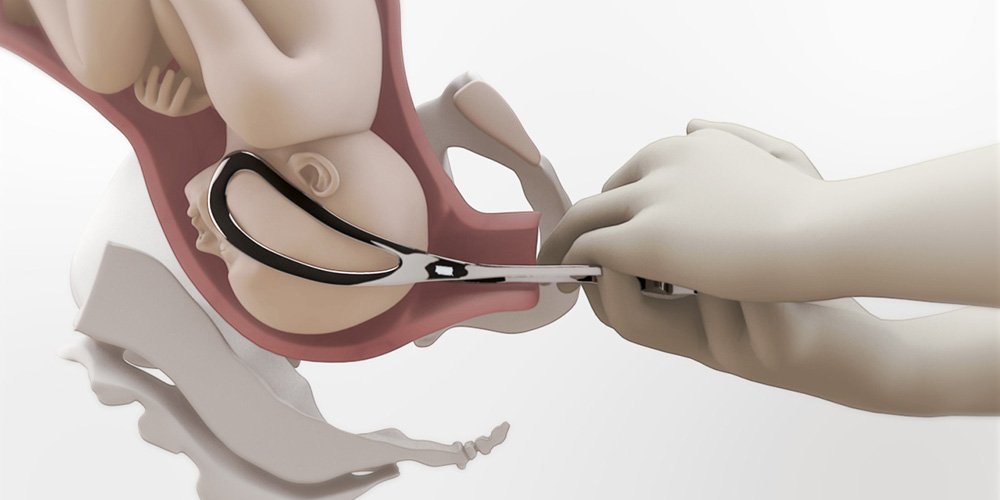
Neville Barnes forceps delivery requires careful preparation, including appropriate analgesia, bladder emptying, and correct maternal positioning. The clinician must assess foetal position accurately before attempting insertion of the forceps blades. Proper application is essential to avoid soft tissue injury and to ensure correct alignment with the foetal head during delivery.
During Neville Barnes forceps delivery, controlled traction is applied in synchrony with uterine contractions. The operator must maintain steady pressure while guiding the foetal head through the birth canal. This process demands clinical skill, precision, and experience to minimise complications and achieve a safe and successful vaginal delivery outcome for both mother and baby.
Clinical Applications and Advantages
Neville Barnes forceps delivery is commonly used in mid-cavity and low-cavity operative vaginal births where vacuum extraction may be less effective. It provides superior control over rotation and descent of the foetal head, making it particularly useful in occipitoanterior positions. This makes it a valuable tool in complex obstetric scenarios.
One of the key advantages of Neville Barnes forceps delivery is its ability to achieve rapid and controlled delivery when clinically necessary. It offers predictable outcomes in experienced hands and allows direct manipulation of the foetal head. This level of control is especially important in situations where foetal compromise requires immediate intervention.
Risks and Complications of Forceps Delivery
Although Neville Barnes forceps delivery is generally safe when performed correctly, it does carry certain risks. Maternal complications may include perineal tears, bruising, and post-delivery discomfort. These risks are typically minimised through proper technique, careful patient selection, and adherence to established obstetric guidelines.
Foetal risks associated with Neville Barnes forceps delivery include minor facial marks, bruising, and rarely nerve injury. Serious complications are uncommon but can occur if the procedure is performed without adequate expertise. Careful monitoring during and after delivery is essential to ensure early identification and management of any complications.
Comparison with Kielland Forceps
Neville Barnes forceps delivery differs significantly from Kielland forceps in both design and clinical application. Neville Barnes forceps are primarily used for non-rotational deliveries, whereas Kielland forceps are designed specifically for rotational correction of malpositioned foetal heads. This distinction is crucial in obstetric decision-making.
In Neville Barnes forceps delivery, the fixed lock and curved blades provide stability for controlled traction in straightforward cases. Kielland forceps, on the other hand, feature a sliding lock mechanism that allows rotation within the pelvis. Understanding these differences ensures appropriate instrument selection and improves maternal and foetal safety outcomes.
Role of Neville Barnes Forceps in Modern Obstetrics
Neville Barnes forceps delivery remains relevant in modern obstetrics despite the increasing use of vacuum devices and caesarean sections. It is particularly useful in situations where rapid vaginal delivery is required and where clinicians are trained in its safe application. Its role is more specialised but still clinically significant.
In contemporary maternity care, Neville Barnes forceps delivery is often reserved for carefully selected cases. Training in its use is still included in obstetric education in the UK to ensure that clinicians maintain competence. This ensures that the technique remains available when clinically indicated and contributes to safe obstetric practice.
Conclusion
Neville Barnes forceps delivery continues to be an important obstetric technique used for assisted vaginal birth in selected clinical situations. Its structured design and controlled application make it a reliable option when rapid delivery is required, provided that proper indications are met and skilled practitioners perform the procedure.
Overall, Neville Barnes forceps delivery remains a valuable part of obstetric care, particularly in complex or emergency situations. When used appropriately, it contributes to positive maternal and neonatal outcomes and continues to hold a respected place in modern clinical practice alongside other instrumental delivery methods.