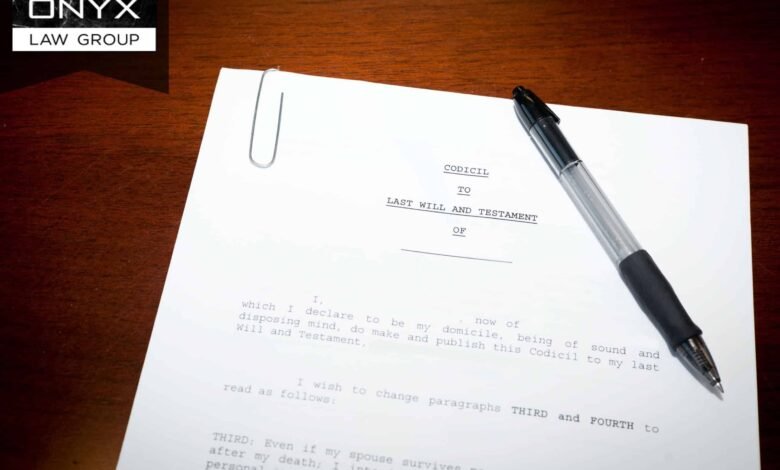
A will is a legally binding document that outlines how a person’s estate should be distributed after death, but it is not always permanent in its original form. Many individuals later search for guidance on how to write a codicil to a will uk when they need to make small updates without replacing the entire will. This approach is often chosen because life circumstances such as family changes, financial updates, or new wishes can occur over time.


Understanding how to write a codicil to a will uk is important because it allows individuals to adjust their estate plans in a legally recognised way. A codicil acts as an amendment to the original will rather than a replacement, making it a practical solution for minor revisions. When done correctly, it ensures that intentions remain clear and enforceable under UK law.
What is a Codicil in the UK Legal System
A codicil is a formal legal document used to make amendments to an existing will without the need to rewrite it entirely. When people research how to write a codicil to a will uk, they are typically looking for a simpler and more efficient way to update specific instructions such as beneficiaries or executors. It is designed to work alongside the original will and must clearly reference it.
In UK law, a codicil carries the same legal weight as the original will, provided it is executed correctly. Learning how to write a codicil to a will uk ensures that individuals avoid ambiguity and maintain clarity in their estate planning. It is commonly used for small but important adjustments that do not fundamentally change the structure of the original will.
Legal Requirements for a Valid Codicil in the UK
To be legally valid, a codicil must meet strict formal requirements under UK inheritance law. Anyone learning how to write a codicil to a will uk must ensure the document is written clearly, signed correctly, and properly witnessed. It must also explicitly reference the original will, including the date it was created, so there is no confusion during probate.
The codicil must be signed in the presence of two independent witnesses who are not beneficiaries or related to beneficiaries. This requirement is essential when understanding how to write a codicil to a will uk, as failure to comply can result in the document being declared invalid. Proper execution ensures that the testator’s final wishes are respected and legally enforceable.
Step-by-Step Guide to Writing a Codicil

The first step in how to write a codicil to a will uk is identifying the exact amendment you want to make. This could include updating a financial gift, changing an executor, or correcting personal details. It is important that the change is clearly defined so that there is no ambiguity in interpretation later during probate proceedings.
Once the change is identified, the codicil must be carefully drafted to reference the original will and clearly state the amendment. Those learning how to write a codicil to a will uk should also ensure that the document confirms all other parts of the will remain unchanged. Finally, it must be signed and witnessed correctly to meet UK legal standards.
how to write a codicil to a will uk template and Structure
A codicil template provides a structured format that helps ensure all legal requirements are met without missing key information. Many individuals researching how to write a codicil to a will uk rely on templates because they include essential sections such as declaration clauses, references to the original will, and amendment statements. This helps reduce the risk of legal errors.
Using a template can simplify the process, but it must still be customised to reflect personal circumstances accurately. Understanding how to write a codicil to a will uk through a template ensures clarity and consistency in wording, which is vital for legal validity. However, every change should be reviewed carefully to avoid contradictions or unintended consequences.
Common Mistakes When Writing a Codicil
One of the most frequent mistakes is using vague or unclear wording, which can lead to disputes or misinterpretation during probate. Even when learning how to write a codicil to a will uk, it is essential to ensure that all instructions are precise and legally unambiguous so that executors can follow them without confusion.
Another common issue is failing to follow proper witnessing rules, such as allowing beneficiaries to act as witnesses. This can invalidate the codicil entirely. Understanding how to write a codicil to a will uk includes recognising these risks and ensuring that all formal legal requirements are strictly followed to protect the integrity of the document.
Storage, Review, and Alternative Options
Once a codicil is completed, it should be stored safely with the original will in a secure and accessible location. Those learning how to write a codicil to a will uk should also inform their executors about its existence to ensure it is found and applied correctly when needed. Poor storage can lead to delays and legal complications.
In some cases, making a new will may be a better option than using multiple codicils, especially if significant changes are required. Understanding how to write a codicil to a will uk also involves knowing when not to use one. For complex estates, professional legal advice may provide a clearer and more reliable solution.
Conclusion
Learning how to write a codicil to a will uk is essential for anyone who wishes to make small, legally valid changes to their will without rewriting the entire document. A properly prepared codicil ensures that updates are clear, enforceable, and aligned with UK inheritance law, reducing the risk of disputes during probate.
Ultimately, how to write a codicil to a will uk comes down to clarity, legal compliance, and careful execution. By following the correct process, ensuring proper witnessing, and avoiding common mistakes, individuals can confidently update their wills while maintaining the integrity of their estate planning wishes.