The comparison of gluttony vs greed has fascinated philosophers, theologians, and ordinary people for centuries. Although these two concepts are often grouped together because they both involve excess, they represent very different human behaviours. Understanding the distinction can help people recognise unhealthy habits and make more balanced choices in their daily lives.


In modern society, the discussion surrounding gluttony vs greed remains highly relevant. From overconsumption of food and entertainment to an endless desire for money and possessions, these behaviours continue to influence individuals and communities. Exploring their meanings, causes, and consequences provides valuable insight into human nature and personal development.
What Is Gluttony?
Gluttony is traditionally defined as the habit of consuming more than is necessary. While many people immediately associate gluttony with overeating, the concept extends far beyond food. It includes any form of excessive indulgence where pleasure becomes more important than moderation, balance, or self-control. The focus is on consuming and experiencing more than what is reasonably required.
In today’s world, gluttony can appear in countless forms. A person may spend entire weekends binge-watching television series, endlessly scrolling through social media, or making unnecessary purchases simply for instant satisfaction. These behaviours may seem harmless at first, but when taken to extremes they can negatively affect health, productivity, and overall wellbeing.
What Is Greed?
Greed is the intense desire to acquire and possess more wealth, status, power, or resources than a person genuinely needs. Unlike gluttony, which revolves around consumption, greed focuses on accumulation. A greedy individual often believes that happiness, security, or success can only be achieved by constantly gaining more, regardless of how much they already possess.
The effects of greed can be seen throughout society. Some individuals become obsessed with earning money or collecting possessions, while organisations may prioritise profit above ethics or social responsibility. This constant pursuit of more can create dissatisfaction because greed rarely allows a person to feel content with what they already have.
Gluttony vs Greed: Understanding the Core Difference
When discussing gluttony vs greed, the most important distinction is the object of desire. Gluttony focuses on using, consuming, and indulging in something excessively. Greed, by contrast, centres on obtaining, storing, and keeping resources. One seeks pleasure through consumption, while the other seeks satisfaction through possession.
Another key aspect of the gluttony vs greed difference involves motivation. A glutton typically seeks immediate enjoyment and gratification, whereas a greedy person seeks ownership, control, or security. Both behaviours demonstrate excess, but they operate in fundamentally different ways. Understanding this distinction helps explain why they are classified separately in moral and religious teachings.
Seven Deadly Sins Gluttony vs Greed
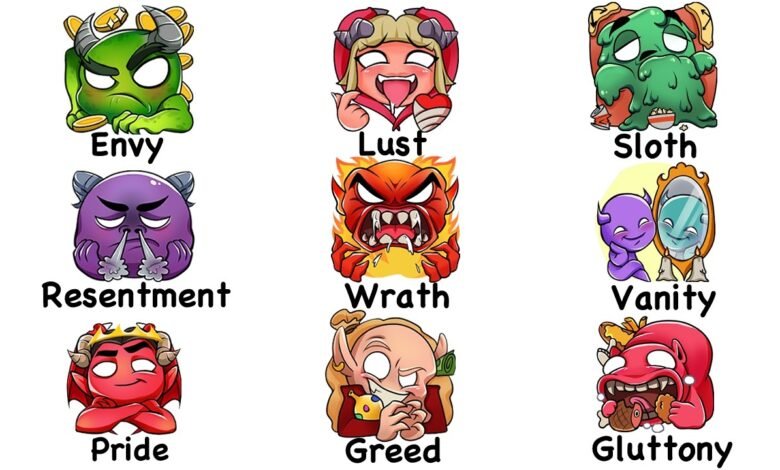
Within Christian tradition, both gluttony and greed are recognised as part of the Seven Deadly Sins. These sins represent destructive tendencies that can harm an individual’s moral and spiritual wellbeing. Although they share certain similarities, each sin reflects a unique form of imbalance and excess that affects behaviour and decision-making.
The debate around seven deadly sins gluttony vs greed often focuses on the nature of desire. Gluttony concerns excessive enjoyment of pleasures, while greed involves an unhealthy attachment to material possessions. Religious teachings suggest that both behaviours can distract individuals from gratitude, compassion, and a sense of responsibility towards others.
Gluttony vs Greed vs Lust
The comparison of gluttony vs greed vs lust reveals interesting similarities and differences. All three involve excessive desire, but the object of that desire changes. Lust primarily concerns intense sexual desire, gluttony focuses on overconsumption, and greed centres on accumulation. Despite these differences, they all reflect a struggle with self-control and moderation.
Many moral traditions view these behaviours as interconnected because they encourage individuals to prioritise personal cravings over wisdom and balance. Whether someone constantly seeks pleasure, possessions, or physical gratification, the result can be a cycle of dissatisfaction. This is why understanding the distinctions between these vices remains important in both religious and secular discussions.
Modern Examples of Gluttony and Greed
Modern technology has created new opportunities for gluttonous behaviour. Unlimited access to entertainment, social media, online shopping, and digital content means people can consume more than ever before. While enjoyment itself is not harmful, excessive consumption can lead to wasted time, reduced productivity, and declining mental wellbeing.
Greed also remains highly visible in contemporary society. Corporate scandals, financial exploitation, and excessive wealth accumulation often demonstrate how the pursuit of more can override ethical considerations. These examples highlight why the topic of gluttony vs greed continues to be relevant in a rapidly changing world where excess is often encouraged.
Consequences of Gluttony and Greed
The consequences of gluttony can affect multiple areas of life. Excessive indulgence may contribute to physical health problems, emotional difficulties, and reduced self-discipline. Over time, the constant pursuit of pleasure can prevent individuals from developing healthier habits and achieving long-term goals.
Greed can be equally damaging. An obsession with wealth, possessions, or status can strain relationships, weaken communities, and create social inequalities. People driven by greed may sacrifice trust, honesty, and compassion in pursuit of personal gain. This demonstrates why many cultures and belief systems warn against the dangers of excessive desire.
How to Overcome Gluttony and Greed
Overcoming gluttony begins with developing awareness and moderation. Setting reasonable limits on consumption, creating healthier routines, and focusing on meaningful activities can help reduce the urge for constant indulgence. Small changes often lead to significant improvements in wellbeing and personal satisfaction over time.
Addressing greed requires a different approach. Practising gratitude, generosity, and contentment can help individuals appreciate what they already have rather than constantly seeking more. Acts of kindness and responsible stewardship encourage a healthier relationship with wealth and possessions while promoting stronger connections with others.
Conclusion
The discussion of gluttony vs greed reveals two distinct yet closely related forms of excess. Gluttony is concerned with consuming more than necessary, while greed focuses on acquiring and keeping more than is needed. Although they differ in their expression, both behaviours can create personal, social, and moral challenges when left unchecked.
Understanding the gluttony vs greed difference allows individuals to reflect on their own habits and motivations. By practising moderation, gratitude, and self-discipline, people can avoid the pitfalls of excess and build a more balanced and fulfilling life. These timeless lessons remain just as relevant today as they were centuries ago.